

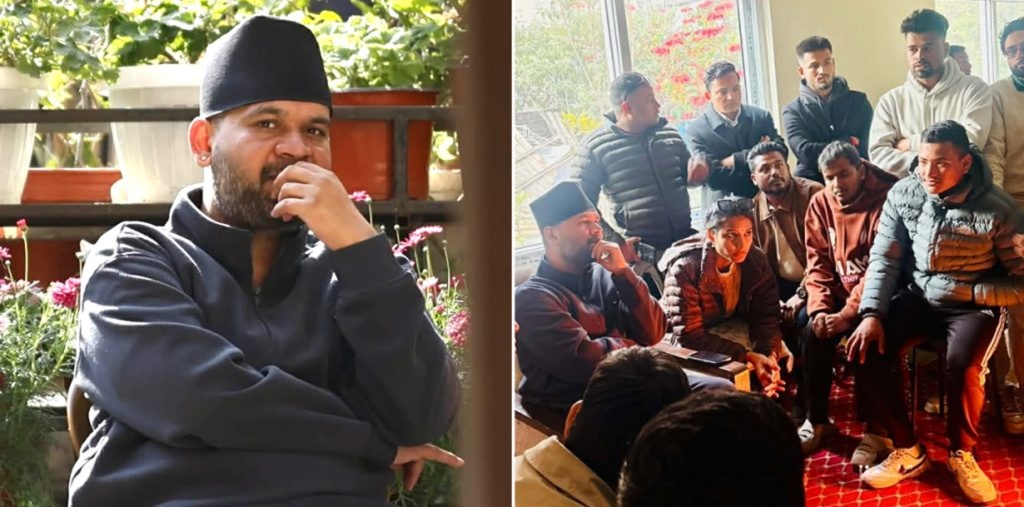
A Political Analysis of a Generational Earthquake
Kathmandu — Nepal’s latest election results reveal more than just a shift in party fortunes. They signal a generational transformation in the country’s political culture. For the first time since the democratic transition, a large bloc of Generation-Z voters—young citizens born roughly after the late 1990s—has decisively influenced the outcome of a national election.
Early proportional representation results released by the Election Commission of Nepal show the Rastriya Swatantra Party winning nearly half of the total votes counted, far ahead of traditional parties such as the Nepali Congress and the Communist Party of Nepal (Unified Marxist–Leninist).
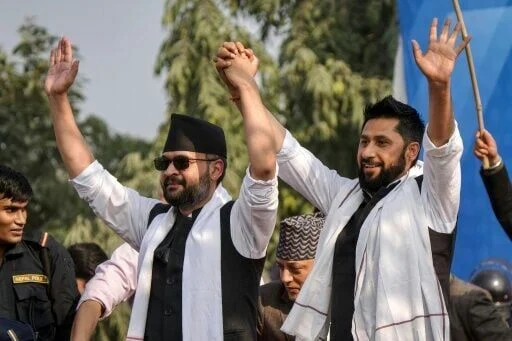
For many analysts, this outcome represents a political earthquake driven largely by young voters.
A Generation Raised in Crisis
Gen-Z in Nepal grew up during a turbulent period:
- the final years of the monarchy
- the aftermath of the civil war
- the 2015 constitution and federal restructuring
- recurring political instability
- and economic stagnation that pushed millions of young Nepalis abroad for work
Unlike earlier generations, these young voters have little emotional attachment to traditional parties that dominated politics since the 1990 democratic movement.
Instead, they often see those parties as symbols of corruption, nepotism, and political stagnation.
As a result, many Gen-Z voters entered the election cycle already skeptical of established political elites.
The Social Media Revolution
Another defining feature of this election was the central role of digital politics.
Young voters consumed political information through:
- TikTok
- YouTube
- Facebook livestreams
- Instagram short videos
- independent online journalism
Traditional campaign tools—party rallies, posters, and patronage networks—were less influential among this generation.
The Rastriya Swatantra Party capitalized on this shift. Its campaign strategy relied heavily on digital messaging, viral videos, and youth-centered narratives about transparency and reform.
For Gen-Z voters, politics increasingly resembled a participatory online movement rather than a hierarchical party system.
Anti-Establishment Anger
The election was also shaped by deep frustration with Nepal’s political establishment.
Over the past decade, governments formed by major parties repeatedly collapsed. Coalition bargaining became synonymous with power struggles rather than policy reforms.
Young voters—many facing unemployment or forced migration—interpreted these patterns as evidence that the political system served party elites rather than citizens.
This anger created fertile ground for anti-establishment forces promising change.
From Protest to Ballot Box
In the months before the election, Nepal saw several youth-driven demonstrations in major cities. These protests focused on issues such as:
- corruption in public institutions
- lack of economic opportunity
- restrictions on social media
- political impunity
These movements did not always align with a specific party. However, they created a broader political atmosphere that favored outsider candidates and new political platforms.
When voting day arrived, many Gen-Z participants translated protest energy into electoral participation.
Urban Youth as a Decisive Bloc
The influence of Gen-Z voters was particularly visible in urban areas such as:
- Kathmandu Valley
- Pokhara
- Butwal
- Biratnagar
- Jhapa to Kanchanpur (East -West highway connected areas)
These cities contain large numbers of students, young professionals, and digital workers—groups more likely to engage with online political discourse.
Exit-poll-style analyses suggest that younger voters overwhelmingly supported newer political actors compared with older voters who remained more loyal to traditional parties.
A Crisis for Traditional Parties
For long-established political organizations, the election results are a warning sign.
The Nepali Congress and the Communist Party of Nepal (Unified Marxist–Leninist) and Nepali Communist Party led by Prachanda, still maintain deep organizational networks across the country. However, their appeal among younger voters appears to be declining sharply.
Unless these parties reform their leadership structures and policy agendas, they risk losing an entire generation of voters.
A New Phase in Nepal’s Democracy
The rise of Gen-Z as a political force could have lasting implications.
Unlike previous electoral shifts driven primarily by ideology—such as the rise of Maoist politics in the 2000s—this transformation is generational and cultural.
Young voters prioritize:
- accountability
- transparency
- merit-based leadership
- technological modernization
- global economic opportunities
These priorities could reshape Nepal’s policy debates in the coming decade.
The Uncertain Future
Despite the dramatic electoral outcome, the long-term impact of the Gen-Z political wave remains uncertain.
New political movements often face challenges once they enter government: managing coalitions, delivering policy reforms, and maintaining public trust.
If expectations are not met, the same generation that propelled new leaders to power could also quickly turn against them.
Yet one conclusion is clear: Nepal’s political system has entered a new era where young voters hold unprecedented influence.
The election may therefore be remembered not simply as a victory for one party, but as the moment Generation-Z fundamentally reshaped Nepal’s democratic landscape.
Balen Shah’s Road Show Campaign
One of the most striking features of Nepal’s recent election campaign was the nationwide road show led by Balen Shah, the mayor of Kathmandu.
Although he was not contesting the parliamentary election himself, his presence on the campaign trail transformed the political atmosphere and played a major role in energizing support for the Rastriya Swatantra Party.
Political observers say Balen Shah’s road show campaign bridged the gap between street protest, youth activism, and electoral politics.

From Independent Mayor to National Campaigner
Balen Shah first rose to prominence after winning the Kathmandu mayoral election as an independent candidate in 2022. His victory symbolized a growing rejection of traditional political parties among urban voters.
By the time the parliamentary election approached, Shah had already built a strong reputation among young voters for:
- challenging bureaucratic corruption
- confronting illegal structures in the capital
- promoting transparency in city governance
When he began touring cities across Nepal during the campaign period, the road shows quickly turned into large youth gatherings rather than conventional political rallies.
A Different Kind of Political Rally
Unlike traditional party rallies dominated by speeches from senior leaders, Balen Shah’s road shows were characterized by:
- motorcycle convoys
- youth gatherings in public squares
- short, emotional speeches
- heavy social media broadcasting
Crowds often resembled concert audiences rather than conventional political meetings.
Many participants were first-time voters, particularly students and young professionals.
Mobilizing the Gen-Z Electorate
One of the most important effects of the road shows was youth mobilization.
Nepal’s Gen-Z voters are highly connected through digital platforms. Shah’s campaign strategy integrated physical gatherings with online virality.
Every rally was quickly circulated through:
- TikTok clips
- YouTube livestreams
- Instagram reels
- Facebook videos
This combination amplified the message far beyond the cities where the road shows actually took place.
For many young voters, the campaign became a movement rather than simply an election event.
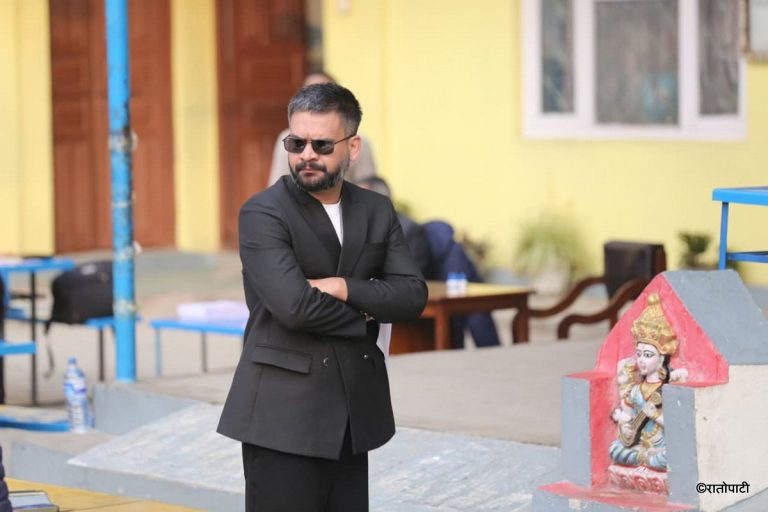
Creating Momentum for New Political Forces
Although Balen Shah formally remained an independent political figure, his campaign appearances significantly benefited the Rastriya Swatantra Party.
His presence helped frame the election as a contest between a new generation and the old political establishment.
This narrative resonated strongly with voters frustrated by decades of political instability and corruption scandals involving traditional parties.
As a result, the road shows contributed to the broader political momentum that helped the party dominate the proportional representation vote.
Challenging Traditional Campaign Structures
Nepal’s major parties traditionally rely on:
- local party committees
- patronage networks
- established political leaders
Balen Shah’s road shows demonstrated that a decentralized, personality-driven campaign could mobilize voters just as effectively—if not more so.
The events required relatively little formal party infrastructure yet generated enormous public attention.
This shift reflects a wider global trend where charismatic figures and digital media increasingly shape electoral politics.
Symbol of Political Change
Beyond their immediate electoral impact, the road shows carried strong symbolic meaning.
For many supporters, the gatherings represented:
- rebellion against political elites
- generational change
- a demand for accountability
Young voters waving flags and riding motorcycles through city streets projected the image of a political uprising led by a new generation.
The Limits of Charismatic Mobilization
However, analysts caution that campaign enthusiasm does not automatically translate into long-term political stability.
Charismatic figures such as Balen Shah can mobilize large crowds, but sustainable political change requires:
- institutional reforms
- effective governance
- party organization
If expectations raised during the campaign are not fulfilled, the same young voters who celebrated the road shows could quickly become disillusioned.
A Turning Point in Nepal’s Political Culture
Despite these uncertainties, the impact of Balen Shah’s campaign strategy is already clear.
His road shows demonstrated that Nepal’s electoral politics is entering a new era, where:
- youth mobilization
- social media influence
- outsider political figures
can dramatically reshape the balance of power.
In that sense, the road shows were not just campaign events. They were a visible manifestation of a generational shift transforming Nepal’s democracy.


प्रतिक्रिया दिनुहोस्