

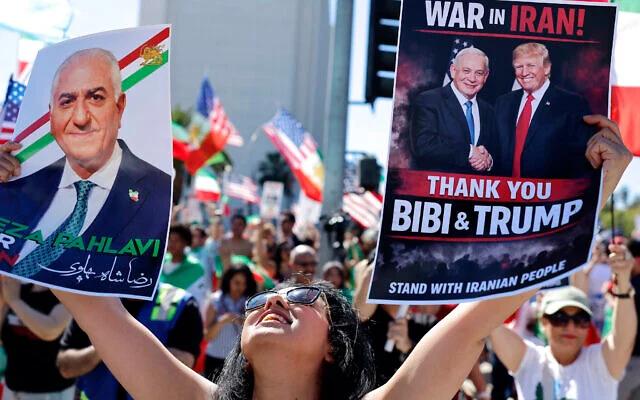
Kathmandu(with various agencies): The escalating US-Israel-Iran conflict, which began on Saturday with joint airstrikes on Iran that killed Supreme Leader Ayatollah Ali Khamenei, has now spread across the Middle East. Nations worldwide are rushing to evacuate or protect their citizens as Iranian retaliatory missile and drone attacks target Gulf countries, Israel pushes into Lebanon against Hezbollah, and civilian casualties mount (over 870 reported dead, mostly in Iran, with collateral damage in the UAE, Kuwait, Bahrain, and elsewhere).
Countries like France (400,000 nationals in the region), India, European nations, and others are organizing emergency flights and escape routes. The US is facilitating charter flights from the UAE, Saudi Arabia, and Jordan, after initially advising Americans to leave 14+ countries on their own (over 9,000 have departed independently). Millions of low-wage migrant workers from South Asia and the Philippines in Gulf states face heightened risks, with tanker traffic through the Strait of Hormuz nearly halted due to fears of attacks, causing oil prices to soar and global markets to slump.
Nepal’s Situation and Government Response
Nepal has a large migrant workforce in the region—estimates range from 1.7 million to nearly 2 million Nepalis primarily in Gulf countries (UAE ~600,000+, Qatar ~500,000, Saudi Arabia ~450,000, plus others in Kuwait, Bahrain, Oman, and smaller numbers in Israel and Iran). These workers, often in construction, domestic service, security, and hospitality, are vulnerable as attacks hit airports, residential areas, ports, oil facilities, and near military sites.
Key developments for Nepalis:
- Casualties reported: At least one Nepali national, Diwas Shrestha from Gorkha, was killed in the UAE by an Iranian drone attack (confirmed by Nepal’s Ministry of Foreign Affairs). The UAE defense ministry noted fatalities including Pakistani, Nepalese, and Bangladeshi nationals in collateral damage from intercepted strikes.
- Stranded travelers: Many Nepali migrant workers and others have been stuck at airports due to airspace closures in the UAE, Qatar, Kuwait, etc. Flights from Kathmandu to Gulf hubs were canceled or disrupted.
- Government actions:
- The Ministry of Foreign Affairs issued advisories urging Nepalis in Israel, Iran, and Gulf countries to stay vigilant, follow local authorities’ instructions, minimize outdoor activities, stay indoors when possible, and contact embassies/Nepali communities for help.
- Work permits to Gulf countries have been suspended/halted for new departures due to security risks.
- Registration drives for Nepalis in the Gulf are underway to track and prepare for potential repatriation or welfare support.
- Nepali embassies are on high alert, coordinating with employers, airlines, and locals to provide shelter/security for stranded citizens (e.g., at airports).
- The Non-Resident Nepali Association (NRNA) has urged high alert, no unnecessary travel, and government preparations for evacuation if needed. Leaders have pressed Foreign Minister Balananda Sharma for proactive measures.
- Cabinet decisions emphasize keeping stranded citizens secure locally (as immediate returns are impossible due to closed airspace) and monitoring via embassies/Labor Ministry.
- Broader calls: Opposition voices and migration experts demand proactive contingency plans, including diplomatic efforts for safe corridors if zones become high-risk. Remittances (a lifeline for Nepal’s economy) and tourism could face ripple effects if the conflict prolongs.
Nepal’s Foreign Ministry has reiterated calls for all parties to protect civilians under international law (e.g., Geneva Conventions). No large-scale evacuation flights have been announced yet, unlike some nations, likely due to reliance on commercial means and Gulf hosts’ management. The situation remains fluid, with ongoing strikes and no clear end in sight—Nepalis are advised to stay updated via official channels and avoid panic.
This mirrors global patterns: many countries prioritize advisories and self-evacuation first, escalating to charters as needed. The focus remains on safety amid uncertainty over Iran’s leadership succession (Mojtaba Khamenei emerging as frontrunner) and potential wider escalation.





प्रतिक्रिया दिनुहोस्