

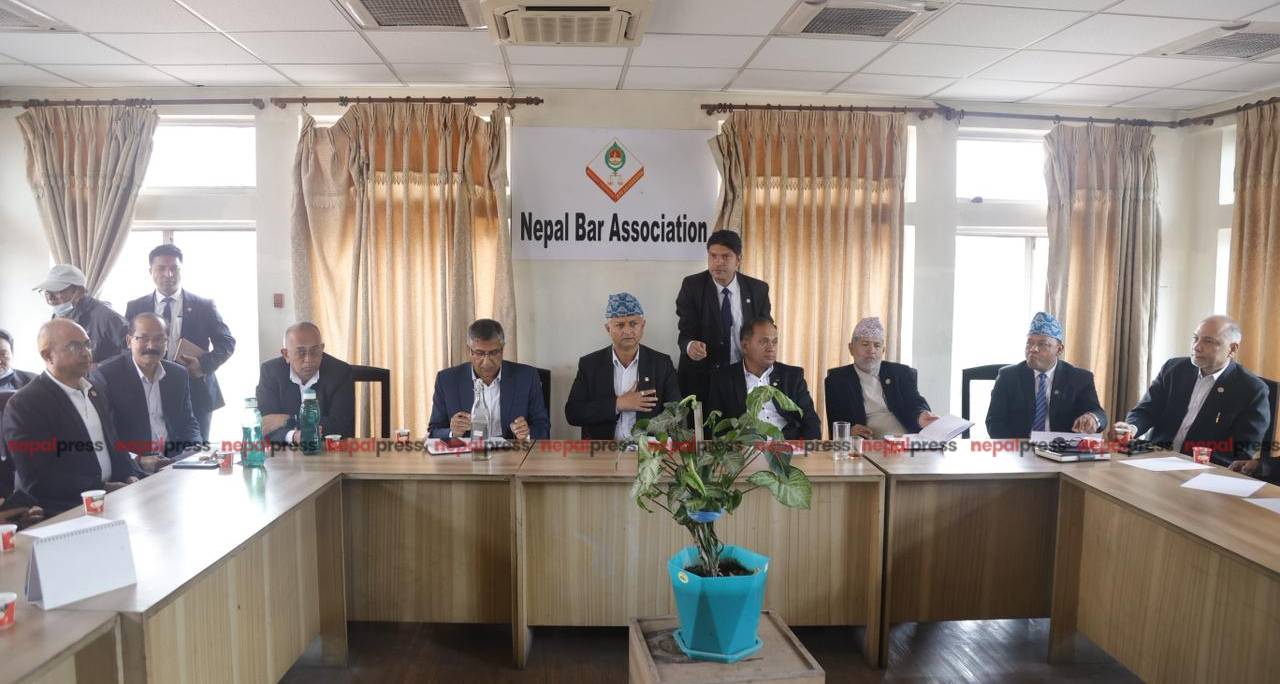
KATHMANDU — In the delicate tightrope walk of democracy, the balance between the executive and the judiciary is often precarious. But on Thursday, the Nepal Bar Association (NBA) signaled that this balance has shifted into dangerous territory.
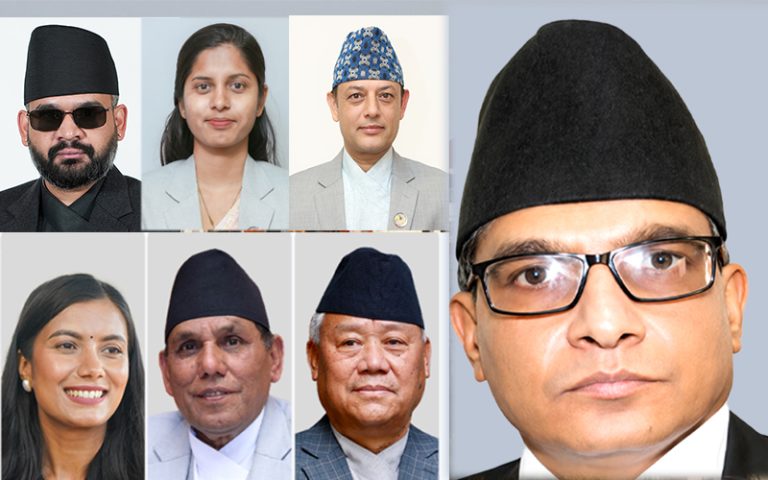
In a sharply worded press release, the NBA accused the government of attempting to “govern by ordinance,” bypassing the sovereign halls of Parliament to cast a long shadow over the nation’s courts. The message was clear: the judiciary is not an annex of the executive branch, and any attempt to treat it as such will lead the country toward a direct collision.
The “Pseudo-Legislation” Crisis
At the heart of the dispute is a new ordinance concerning the Constitutional Council (Functions, Duties, Powers, and Procedures) Act. By choosing to issue this ordinance shortly after the prorogation of the Parliament session, the Bar argues the government has engaged in “pseudo-legislation”.
According to the NBA, this move:
- Bypasses the sovereign authority of Parliament and the rights of the people as guaranteed under Article 2 of the Constitution.
- Attempts to “amend” the spirit of the Constitution through a backdoor mechanism.
- Undermines the fundamental principles of the separation of powers and the rule of law.
“This is not just a national concern; it is an international one,” stated Kedar Prasad Koirala, General Secretary of the NBA. The Bar contends that such maneuvers are designed to create a “directed and controlled” judiciary rather than an independent one.
Pressure in the Specialized Courts
The friction isn’t limited to constitutional theory; it has become deeply personal for those on the bench. The NBA highlighted a disturbing trend of administrative pressure being applied to members of specialized courts.
Reports have surfaced of the government pressuring members of the Administrative Court, the Labor Court, and the Foreign Employment Tribunal to resign. The Bar characterized this as a direct assault on the dignity and autonomy of the legal system, intended to instill fear and uncertainty among legal professionals.
“The attempt to force resignations from independent judicial bodies is an act of stripping the judiciary of its honor,” the statement read.
A Warning of “Mutbhed” (Collision)
The NBA’s warning was not merely a critique but a plea for constitutional sanity. They cautioned that if the executive continues to overstep its bounds, the country risks a state of mutbhed—a direct, potentially chaotic collision between the branches of government.
To prevent this, the NBA has called for:
- An immediate halt to all activities that contradict constitutional values and the spirit of “constitutionalism”.
- An end to the practice of using ordinances as a primary tool for governance.
- A steadfast commitment from all judges—including those at the Supreme Court—to continue their duties with high morale and unwavering independence.
As the legal community rallies, the ball remains in the government’s court. Whether the executive will heed the Bar’s warning or continue its current trajectory remains the defining question for Nepal’s constitutional future.




प्रतिक्रिया दिनुहोस्