


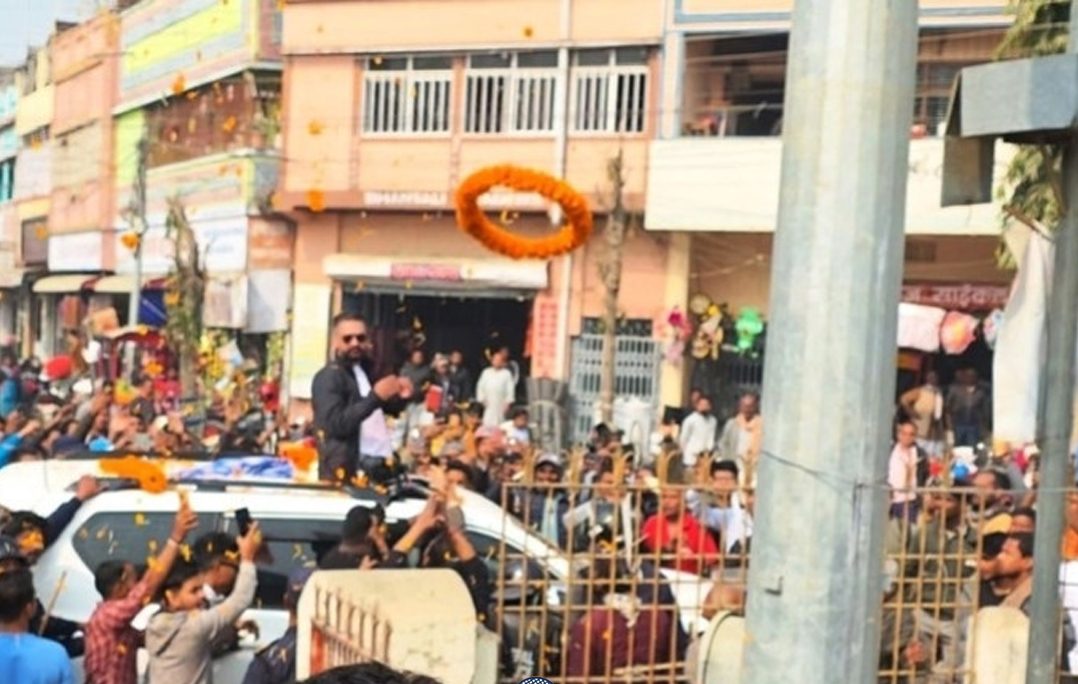
Kathmandu/Janakpurdham: Balendra Shah (Balen) has ignited an unexpected political wave in Madhesh Province. His announcement as the Rastriya Swatantra Party’s (RSP) prime ministerial face, followed by a Maithili-language speech in Janakpur, has generated excitement not seen since:
- Upendra Yadav’s Madhesh movement wave (2008)
- CK Raut’s Janamat surge (2022)
The slogan “Madheshi son for Prime Minister” is striking an emotional chord — especially among:
- Urban youth
- Social media users
- Migrant-worker families with relatives abroad
- Voters disillusioned with traditional Madhesh parties
However, political history shows that viral popularity does not automatically translate into parliamentary seats. Madhesh has 32 federal constituencies, and converting enthusiasm into votes requires organization, credibility, and local trust.
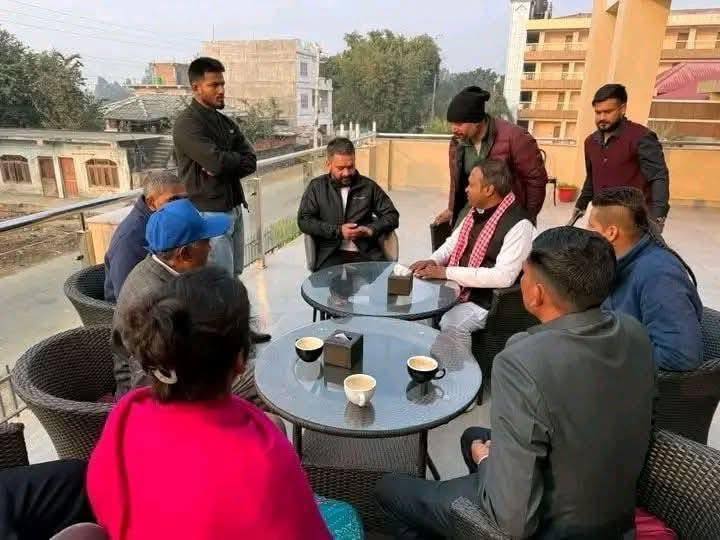
Why So Many Party-Hoppers and Controversial Faces?
In the 2022 general election:
- RSP won zero FPTP seats in Madhesh
- It ranked 8th in proportional votes (~72,835 votes)
Fast forward to today: RSP has fielded candidates in all 32 constituencies. But many of those candidates are former members of other parties — some with serious controversies.
High-Profile and Controversial Picks
Dr. Amaresh Kumar Singh (Sarlahi-4)
- Former Nepali Congress leader
- Denied ticket in 2022 → won as independent
- Joined RSP in early 2026
- Arrested during Madhesh protests in the past
Ram Binod Sah (Dhanusha-2)
- Served three years in prison after conviction in the killing of environment activist Om Prakash Mahato (Dilip)
- A controversial choice for a party that brands itself as anti-corruption and reformist
Kishori Sah Sudi (Dhanusha-1)
- Linked to influential Nawal Kishor Sah Sudi political family
- Represents entrenched dynasty politics in Madhesh
Dr. Amarkant Chaudhary (Saptari-3)
- Son of former state minister and NC leader Chandrakant Chaudhary
- Appears to contradict RSP’s earlier anti-nepotism messaging
Several other candidates — including Bablu Gupta, Ujjwal Jha, Raj Kishor Mahato, and others — have switched parties multiple times in recent years.
Why This Matters
In 21 of 32 constituencies, RSP has reportedly fielded candidates known for frequent party changes.
This raises a central question:
Can RSP convincingly explain why a party built on “new politics” is relying heavily on old political actors?
Without a clear narrative, opponents will frame RSP as hypocritical rather than reformist.
The Swing Voter Test
Elections in Madhesh are often decided by:
- 20–30% swing voters in urban areas
- Around 10% swing voters in rural constituencies
Right now, Balen enjoys momentum. But major parties — UML, Nepali Congress, JSP-N, Janamat — have not yet deployed their full campaign machinery.
Once they begin:
- Large rallies
- Negative campaigns
- Caste-based mobilization
- Strategic alliances
…the mood could shift quickly.
Political waves in Madhesh have historically been volatile. If swing voters perceive RSP’s candidate lineup as weak or inconsistent, the enthusiasm may dissipate before polling day.
Can RSP Protect Votes on Election Day?
In 2022:
- UML won 9 seats
- Nepali Congress won 7
- JSP-N won 6
These parties possess:
- Booth-level networks
- Veteran campaign managers
- Local ward mobilizers
- Strong election-day machinery
RSP, by contrast, had almost no organizational infrastructure in Madhesh.
Elections in Nepal are not won solely on social media or rallies. They are won through:
- Booth mobilization
- Door-to-door persuasion
- Voter transportation
- Vote protection and counting vigilance
Without strong grassroots teams, even a popular candidate can underperform.
Internal Fire and External Heat
Balen will repeatedly face questions about Ravi Lamichhane’s legal and political baggage, including:
- Dual citizenship controversy
- Passport case
- Cooperative fraud allegations
Even if Balen distances himself, opponents will tie the leadership together.
Inside the party, tensions are also visible:
- Of 25 candidates RSP fielded in Madhesh in 2022, only one was re-nominated
- Various people reportedly applied online for tickets
- Many unsuccessful applicants are now voicing dissatisfaction on social media
Internal resentment can quietly sabotage campaign energy at the local level.
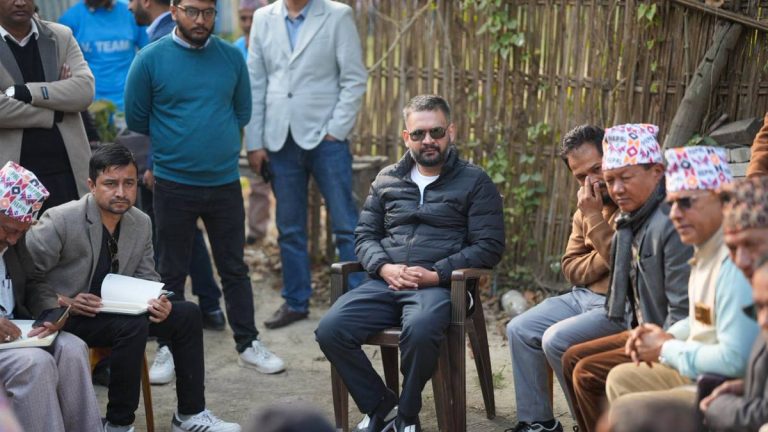
Missing the Madhesh Pulse: Identity Politics and Core Issues
Symbolism matters in Madhesh. Balen’s tribute to martyr Ramesh Mahato was a strategic gesture.
But symbolism alone is insufficient.
Voters are still waiting for clear policy commitments on:
- Madhesh identity and federalism
- Inclusion and proportional representation
- Agricultural distress
- Youth unemployment
- Foreign labor migration and remittance dependency
Ethnic Representation Concerns
Reported candidate distribution shows potential imbalance:
- Madheshi Dalits (~18%) → minimal representation
- Vaishya (~16%) → 9 candidates
- Yadav (~15%) → 6 candidates
- Muslims (~13%) → 2 candidates
- Hill-origin (~11%) → 5 candidates
- Madheshi upper castes (~5%) → 4 candidates
Underrepresentation of Dalits, Muslims, and marginalized Madheshi communities could create backlash — especially if rival parties amplify identity-based mobilization.
Madhesh elections are rarely ideology-only contests. Caste arithmetic and community mobilization still matter deeply.
The Strategic Verdict
Balendra Shah has undeniably created momentum. For the first time, RSP has a real opening in Madhesh.
But five risks loom large:
- Heavy reliance on party-hoppers
- Fragile swing-voter support
- Weak grassroots organization
- Leadership controversies and internal resentment
- Unclear identity positioning and ethnic imbalance
The coming election will test a fundamental political question:
Can viral charisma defeat entrenched political machines in one of Nepal’s most identity-driven provinces?
If RSP builds structure and clarifies its narrative, this could become a historic breakthrough.
If not, “Balen Fever” may be remembered as a powerful but short-lived political moment.

प्रतिक्रिया दिनुहोस्