


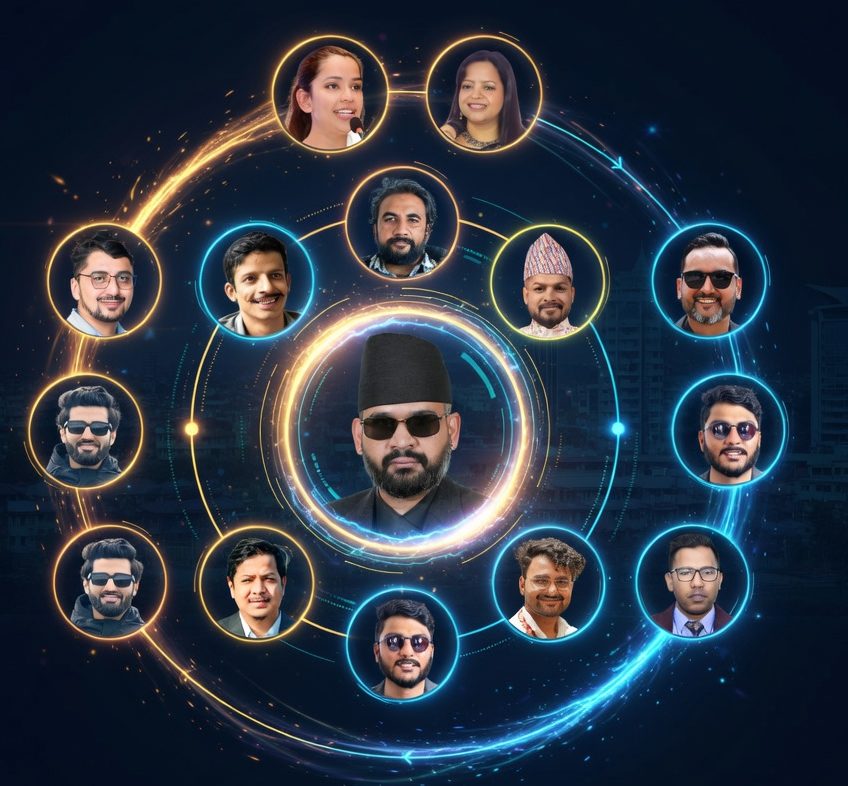
Balen Shah’s ‘Kitchen Cabinet’: Has Nepal’s Anti-Establishment PM Fallen into the Same Old Trap of Nepotism and Cronyism?
Kathmandu— Prime Minister Balendra Shah (Balen), who rose to power on a strong anti-corruption and good governance platform with the Rastriya Swatantra Party (RSP), is facing sharp criticism for allegedly repeating the very practices he once vehemently opposed.
While previous governments were routinely accused of filling secretariats with family members, relatives, and party loyalists, Shah — sworn in on Ram Navami (March 28, 2026) — has appointed a large team of close aides from his time as Kathmandu Mayor and his election campaign into key positions in his “kitchen cabinet”. Many of these appointees will draw salaries from the state treasury.
The question echoing across Nepal’s political circles is simple yet pointed: What is the real difference between ‘old’ and ‘new’ politics?
The Appointments: Loyalty Over Expertise?
On the very day he took the oath of office and secrecy, Prime Minister Shah publicly announced his secretariat members. He has since moved into Baluwatar, the official prime ministerial residence, after performing traditional rituals.
Critics argue that instead of building a professional team of subject experts or experienced civil servants, Shah has prioritized personal loyalty. This raises two major concerns:
- Draining the state coffers to pay political loyalists.
- Risk of lacking expertise in the Prime Minister’s Office, potentially allowing middlemen and influence-peddling to thrive.
The secretariat is where day-to-day governance decisions are shaped. Who occupies these powerful behind-the-scenes roles naturally draws public interest.
Key Appointments in Balen Shah’s Inner Circle
Here is a detailed look at some of the prominent figures in Shah’s secretariat:
Kumar Byanjankar (Ben) — Chief Advisor Widely regarded as the strategic brain behind Shah’s political rise, Kumar Ben served as Shah’s election strategist during the Kathmandu mayoral campaign. After the victory, he became management advisor. Ben played a pivotal role in uniting various groups — including the JEN group, RSP, Shah’s own faction, and Kulman Ghising’s supporters — leading to the events that propelled Shah toward national politics.
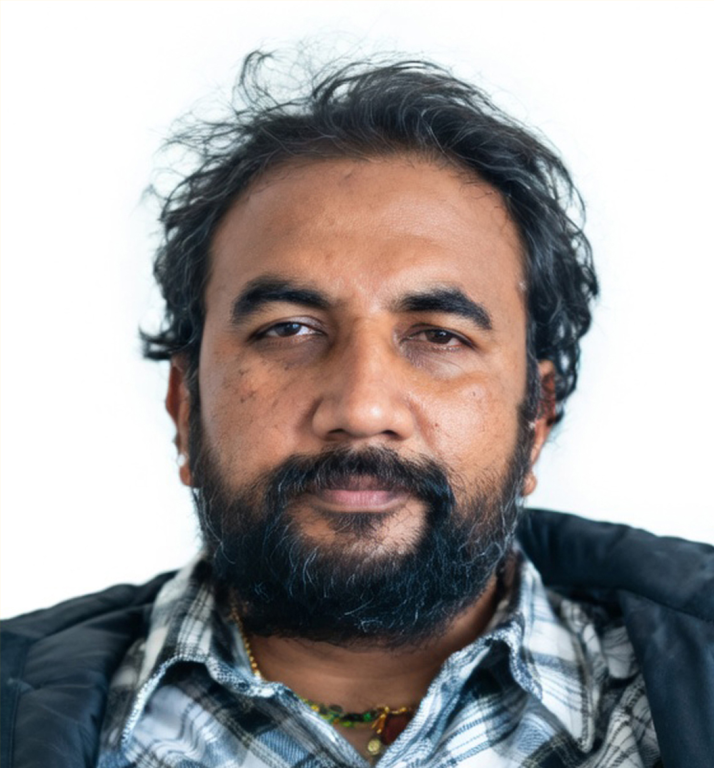
He is the son of Narsingh Byanjankar, a legendary independent ward chairman from Lalitpur who won elections for over 50 years. Shah reportedly considers Narsingh his political guru. Ben has maintained a low public profile but is known for working effectively behind the scenes. He has also reportedly engaged with RSS (Rashtriya Swayamsevak Sangh) pracharaks during the election period.
Subas Sharma — Chief Personal Secretary A businessman from Syangja, Subas Sharma co-founded the popular “Chiyadani” tea chain with branches in Kathmandu, Pokhara, and Chitwan. He has been closely associated with Shah during the nationwide election campaign. Sharma is also linked to the “Men’s Room Reloaded” (MRR) Facebook page, which started as a men’s discussion forum but later evolved into organizing bhajan-kirtan events and supporting RSP activities.

Nabin Bhandari — Personal Secretary He previously served as assistant personal secretary during Shah’s tenure as Mayor of Kathmandu. Bhandari was actively involved in Shah’s election propaganda and accompanied him on campaign trails across the country. He also handled election expenditure reporting in Jhapa-5.

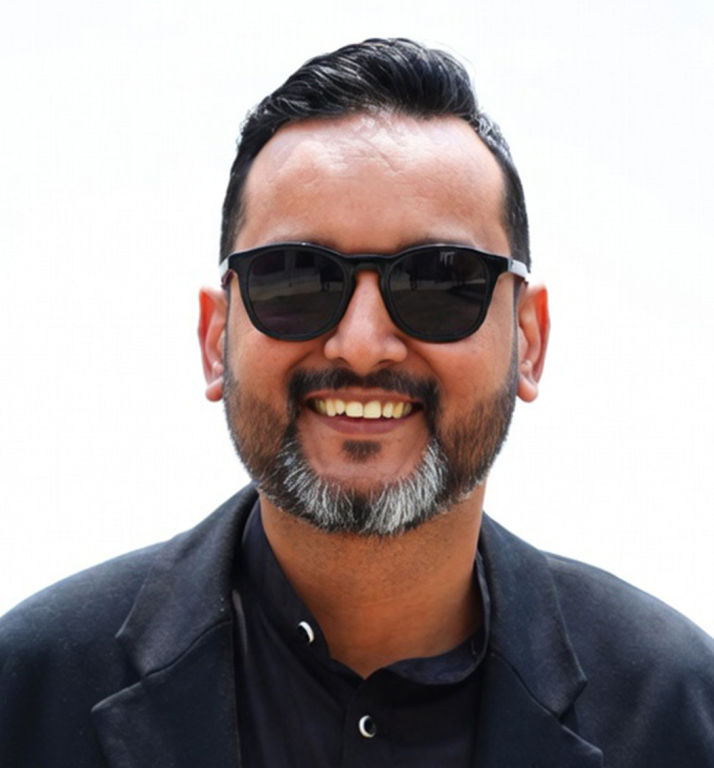
Asim Shah — Political Advisor A filmmaker (director of movies like “Karkash” and “Dui Rupaiya”) and RSP central member, Asim Shah, along with his brother Asif, played a key role in bridging Balen Shah and RSP Chairman Rabi Lamichhane. Their studio hosted crucial midnight talks that led to a 7-point agreement and Shah’s emergence as prime ministerial candidate. Asim has been tasked with coordinating a discussion paper on constitutional amendments — a move that has drawn criticism given his artistic rather than legal background.
Other Notable Appointees:
- Bishal Adhikari — Personal Under-Secretary (former RSP candidate from Dang who placed third in 2022).

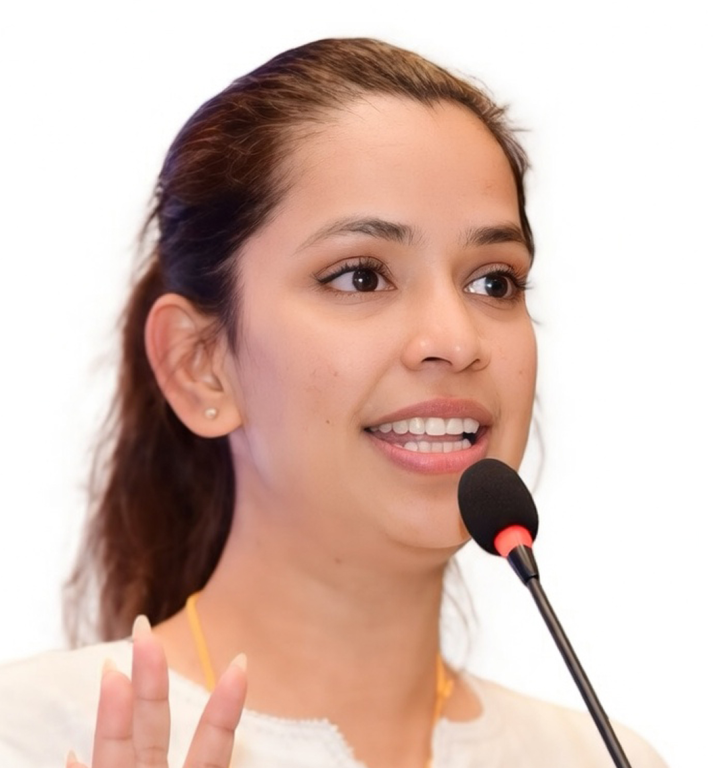
- Prakriti Dhakal — Personal Under-Secretary (youth activist and Chhetrini scholar who ran a nationwide dialogue campaign; ticket aspirant from Chitwan).
- Surendra Bajgain — Press Facilitator (former press coordinator during Shah’s mayoral term).
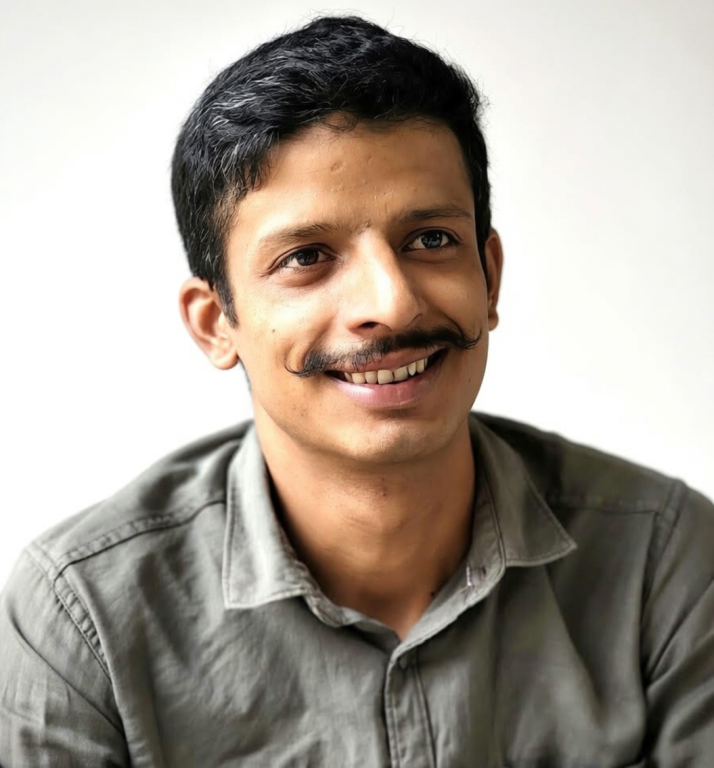
- Binay Shakya — Photographer (long-time personal photographer from the mayor days).
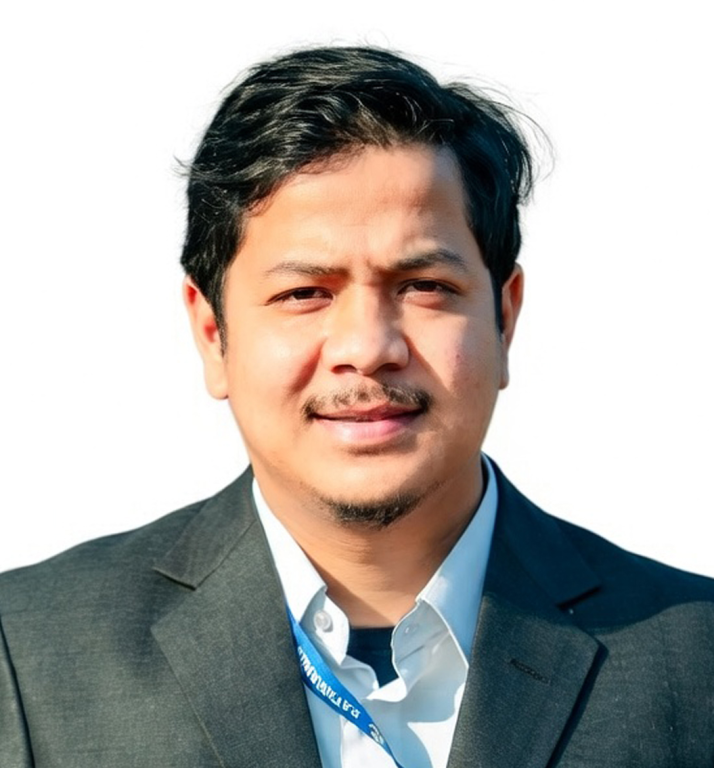
- Sudip Dhakal — Coordinator for Policy, Administration & Good Governance (close campaign aide; missed proportional seat).
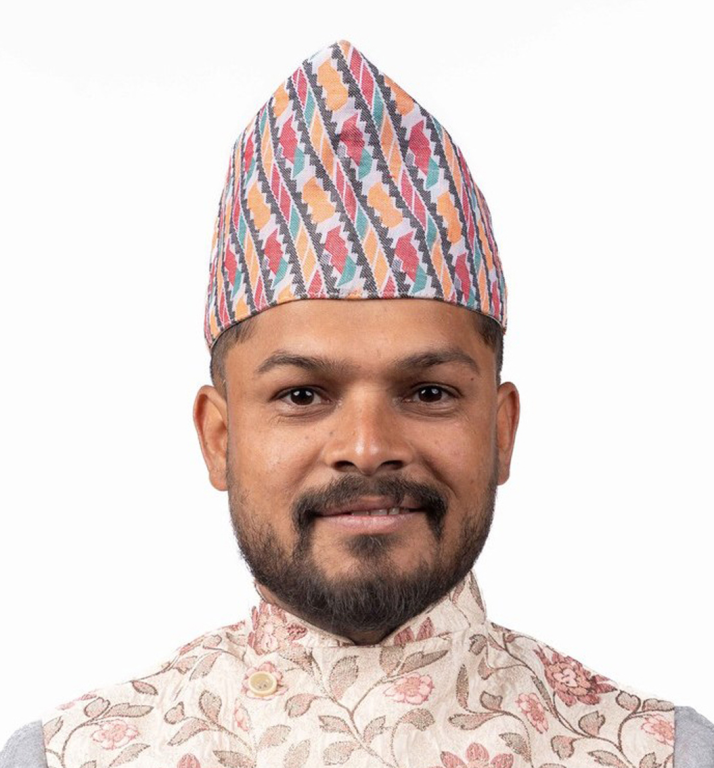
- Bibek Mishra — ICT Coordinator (associated with the “Routine of Nepal Bandh” Facebook page that supported Shah).

- Pradeep Pariyar — Private Secretary (senior administrator previously with Kathmandu Metropolitan City; brought on deputation after tensions with the previous government).
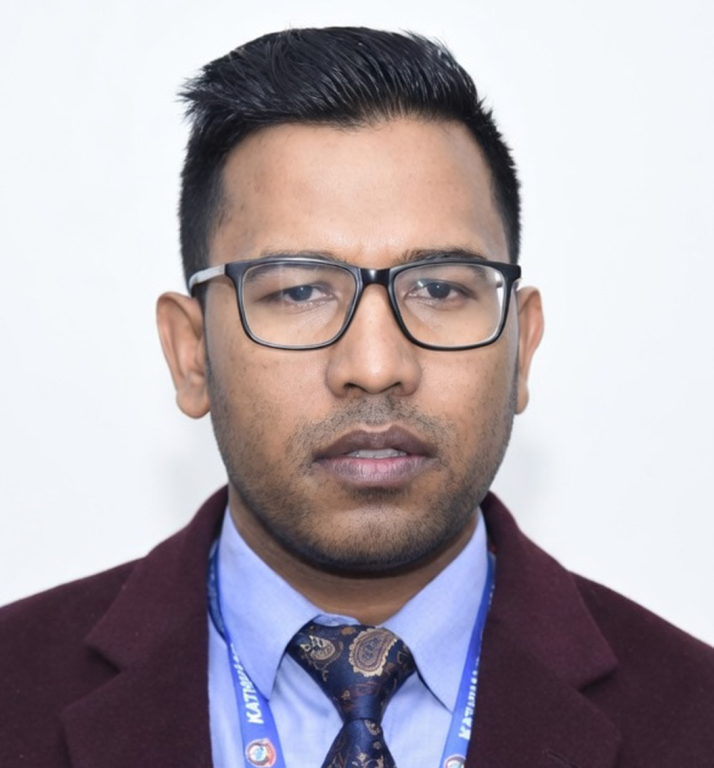
- Dipa Dahal — Press and Research Expert (award-winning investigative journalist known for exposing land scams).
One appointment that remains notably opaque is Sanjiv Pandey, appointed as Personal Joint Secretary, with little public information available about his background or expertise.
The Irony and the Criticism
RSP and Balen Shah built much of their popularity by fiercely criticizing previous governments for “afno manchhe” (one’s own people) culture, family appointments, and turning state institutions into party fiefdoms.
Now, many observers point out that while Shah has avoided direct family appointments, he has heavily relied on his mayoral team and election campaign loyalists. This has sparked accusations of creating a “new cronyism” under the guise of “new politics.”
Supporters, however, argue that these are trusted and tested hands who understand Shah’s vision and working style. They claim it is natural for a new leader to surround himself with reliable people during the initial phase of governance.
Old Wine in New Bottle?
Prime Minister Shah has promised sweeping reforms, including a “100 decisions” agenda focused on good governance. Yet the composition of his inner circle has raised doubts about whether the much-hyped “new Nepal” will genuinely break from past habits.
As one political commentator put it: “The faces have changed, but the pattern remains familiar.”
The coming months will test whether Balendra Shah’s “kitchen cabinet” delivers the transparent, expert-driven governance he promised — or whether it becomes another example of how power eventually reshapes even its fiercest critics.
The Core Concerns
Two major risks stand out:
- State resource drain — Paying salaries and benefits to a large team of political appointees from public funds.
- Expertise deficit and middleman influence — Over-reliance on campaign loyalists could weaken policy depth in critical areas while opening doors to informal influence.
Governance advocates note that the Prime Minister’s Office should ideally draw on experienced civil servants and subject-matter experts for professional advice, rather than turning the secretariat into an extension of the election campaign team.
As one observer put it: “The faces have changed, but the pattern remains uncomfortably familiar.”
Will This Define the ‘New Nepal’?
Prime Minister Shah has promised sweeping reforms, including strong anti-corruption measures and improved service delivery. The composition of his “kitchen cabinet” will be an early litmus test: Can loyalty coexist with the transparency and meritocracy that propelled RSP to its historic landslide?
Nepal’s youth — the driving force behind the Gen Z movement that toppled the old order — are watching closely. If the new government fails to break from old habits of favoritism, public disillusionment could set in quickly.
The coming weeks and months will reveal whether Balendra Shah’s inner circle strengthens his reform agenda or becomes its first vulnerability. For a leader elected on the promise of radical change, the optics of surrounding himself primarily with old trusted hands carry significant symbolic weight.
The public, especially the youth who propelled him to power, will be watching closely.


प्रतिक्रिया दिनुहोस्